New Lawn Care
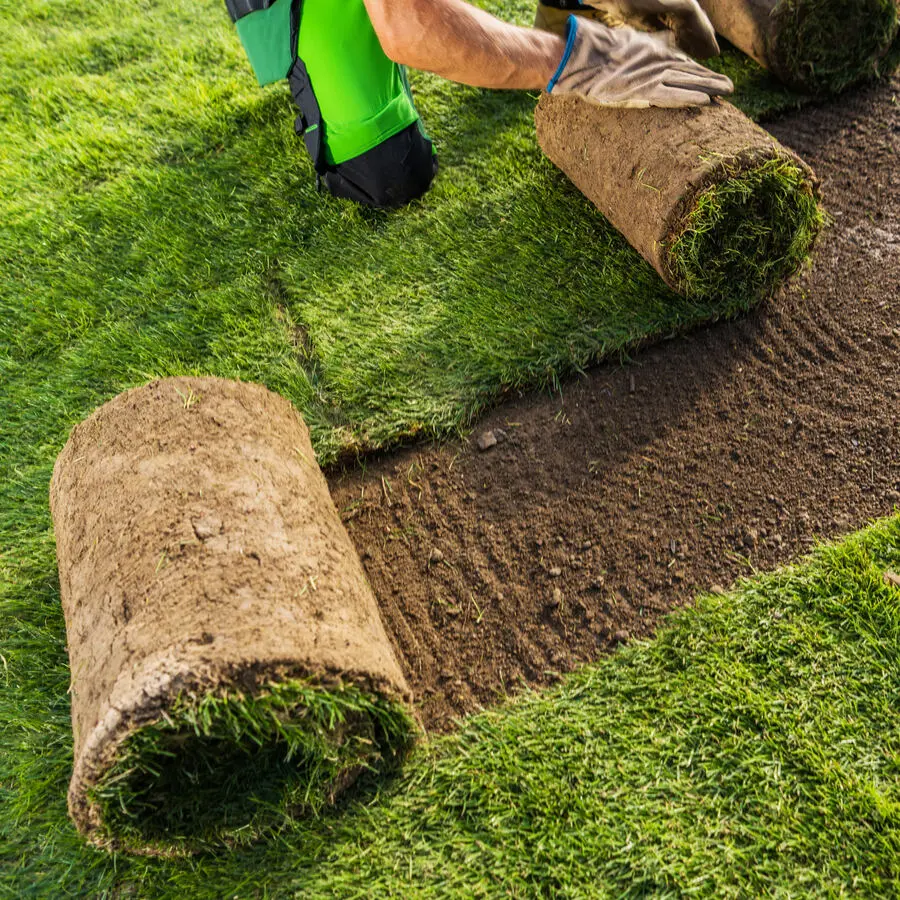
New Sod Watering Guide for Los Angeles: The First 30 Days
New sod arrives with a shallow root system that has not yet connected with the soil beneath it. During the first month, the goal is to keep that developing root zone evenly moist without creating soggy soil, runoff, or conditions that discourage deeper rooting.
Los Angeles makes that balance especially important. Sun exposure, dry air, reflected heat, compacted soil, slopes, shade, and irrigation coverage can vary considerably within one yard. Watering needs also change with the sod variety, weather, sprinkler output, soil preparation, and the instructions provided by your installer.
No single timer schedule works for every lawn. Use the stages below as a framework, then make adjustments based on direct moisture checks and current watering restrictions. Homeowners still planning a lawn can review our sod installation service and our guide to the sod installation process in Los Angeles.
Before Day 1: Test Irrigation Coverage
Do not wait until the sod is on the ground to discover that a sprinkler head is clogged, misaligned, buried, or blocked by a planter. Test every irrigation station before installation, operating it only during a legal watering day and time.
- Confirm that water reaches corners, narrow strips, and edges beside concrete.
- Look for damaged heads, leaks, misting, low pressure, and overspray onto hardscape.
- Use matching catch cups or straight-sided containers to compare output across the area.
- Watch sloped areas for water movement before the soil has absorbed it.
Irrigation problems are easier to correct before sod hides the layout. If coverage is inconsistent, an inspection of the existing irrigation system can help determine whether heads need adjustment, repair, or better zoning.
Day 1 and the First 48 Hours
Coordinate installation so the first watering can begin promptly during a lawful watering window. When possible, schedule installation around an assigned sprinkler day rather than leaving newly placed sod dry while waiting for the next permitted irrigation period.
The initial watering needs to moisten the sod backing and the prepared soil immediately below it, not merely wet the grass blades. After watering, carefully lift a corner in several locations. The underside should feel evenly damp, and the soil beneath should be moist rather than dusty or soupy.
Inspect exposed and fast-drying areas in the morning and later in the day. This does not mean running the entire system whenever the surface looks dry. Use sprinklers only on assigned days and within applicable cycle limits. LADWP currently permits hand watering with a self-closing nozzle on any day before 9:00 a.m. or after 4:00 p.m., which can help with compliant spot watering.
Standing water, a squishy surface, or water flowing toward a gutter means the application rate is exceeding what the soil can absorb. Stop and correct the cause rather than continuing to water.
Week 1: Maintain Even Moisture
During the first week, focus on consistent moisture across the sod backing and the shallow soil beneath it. Check several locations instead of judging the entire lawn by the greenest or most visible section.
On assigned sprinkler days, apply only the amount the lawn can absorb without runoff and remain within LADWP cycle limits. If one edge stays dry while the rest of the lawn is moist, spot water that area with a self-closing hose nozzle during a legal hand-watering window instead of overwatering the whole yard.
Avoid heavy foot traffic while the soil is soft. Repeated walking can create depressions, shift seams, and interfere with even soil contact.
Week 2: Watch for Early Rooting
During the second week, some lawns begin attaching to the soil below, but timing varies. Test gently by lifting a corner. Increasing resistance can indicate that roots are beginning to establish. Do not pull hard enough to tear new roots.
As rooting improves, the lawn may be ready to move away from constantly moist surface conditions toward watering that reaches farther into the soil. Make that transition gradually. A shaded lawn in heavier soil may remain wet much longer than sod growing in full sun over sandy soil.
Weeks 3 and 4: Encourage Deeper Roots
By weeks three and four, a successfully establishing lawn should be moving toward an appropriate long-term pattern rather than frequent surface wetting. This usually means watering less often while applying water effectively on permitted days, but the transition should be based on rooting and soil moisture, not the calendar alone.
Check whether the sod feels anchored in multiple locations and whether moisture reaches below the original sod layer. If the surface stays wet while the soil underneath remains dry, the irrigation may be applying water too quickly or unevenly.
Do not extend cycles beyond legal limits to compensate for poor coverage. Nozzle selection, pressure, station design, soil infiltration, or grading may need attention instead.
How to Check Moisture Without Relying Only on a Timer
A controller tells you how long a station ran. It does not tell you how much water reached the roots or whether every part of the lawn received the same amount.
- Lift an edge: during early establishment, carefully feel the sod backing and soil beneath it.
- Use a soil probe: a screwdriver or slim probe generally enters moist soil more easily than dry, compacted soil.
- Compare locations: check sun, shade, high spots, slopes, seams, and edges near hardscape.
- Measure output: use matching catch cups to compare water distribution.
- Feel the soil: it should be damp and cohesive, not dusty, muddy, or saturated.
Signs of Too Little or Too Much Water
Possible signs of too little water
- Blades appear dull, blue-gray, folded, or wilted.
- Footprints remain visible longer than usual.
- Sod edges or seams begin to shrink or curl.
- The sod backing or soil beneath feels dry.
Possible signs of too much water
- The lawn feels persistently squishy under light pressure.
- Water pools on the surface or runs onto hardscape.
- The soil remains muddy long after irrigation.
- Sod shifts easily because the soil underneath is saturated.
Discoloration and thinning can have several causes, including irrigation coverage, rooting problems, soil conditions, pet activity, or pests. Photos alone are not enough to diagnose a lawn problem. If symptoms persist after moisture and coverage are corrected, arrange an in-person inspection.
Los Angeles Conditions That Change Watering Needs
Heat, wind, and hardscape edges
New sod can lose moisture quickly during hot, dry, or windy conditions. Concrete, pavers, walls, and artificial surfaces also reflect and store heat, so adjacent edges may dry faster than the center of the lawn. Inspect those areas more frequently and use permitted spot watering rather than adding prohibited sprinkler cycles.
Shade and slopes
Shaded soil usually dries more slowly, while water on slopes may move downhill before compacted or clay-heavy soil can absorb it. Separate irrigation zones are helpful when exposure differs substantially. Stop watering when runoff begins and address nozzle selection or pressure if the slope cannot absorb the application.
Pets and foot traffic
Keep people and pets off the lawn as much as practical while the soil is soft and roots are developing. Repeated traffic can loosen seams and create low areas.
Current Los Angeles Watering Rules
According to LADWP information verified July 31, 2026, Los Angeles remains in Phase 2 water conservation. Odd-numbered addresses may use sprinklers Monday, Wednesday, and Friday; even-numbered addresses may use them Sunday, Tuesday, and Thursday.
- Outdoor watering is prohibited from 9:00 a.m. to 4:00 p.m.
- Typical non-conserving nozzles are limited to one cycle of up to eight minutes per station per watering day.
- Conserving nozzles are limited to two cycles of up to 15 minutes per station per watering day.
- Water may not run onto streets, driveways, or gutters.
- A hose with a self-closing nozzle may be used any day before 9:00 a.m. or after 4:00 p.m.
These are maximum limits, not recommended runtimes for every lawn. Review the official LADWP Water Conservation Ordinance before installation and verify that the rules have not changed. Properties outside the City of Los Angeles may follow a different water agency's schedule.
When to Mow and Reduce Watering
Do not mow solely because a certain number of days has passed. Wait until the sod is firmly rooted enough that a mower will not lift, wrinkle, or shift it. The grass should also be tall enough to mow at the recommended height for its variety.
Reduce watering gradually as roots establish. Continue checking below the sod layer so that a green surface does not hide dry soil underneath. Long-term frequency depends on grass type, season, exposure, soil, irrigation performance, and current local rules.
Plan the Lawn and Irrigation Together
Uneven coverage, misting heads, overspray, runoff, and dry edges are easier to solve before new sod is installed. ABC LandCrafters can coordinate lawn preparation, sod installation, and irrigation improvements for Los Angeles-area homes.
Request a ConsultationFrequently Asked Questions
How often should new sod be watered in Los Angeles?
There is no universal frequency. Use sprinklers only on assigned LADWP days and within current cycle limits. Check the sod backing and soil directly, then use permitted hand watering with a self-closing nozzle for localized dry areas before 9:00 a.m. or after 4:00 p.m.
Can I run my sprinklers every day because the sod is new?
Do not assume new sod creates an exemption from watering restrictions. LADWP sprinkler watering is currently limited to three assigned days per week. Verify current rules before installation and ask LADWP about any provision that may apply to your property.
How can I tell whether water is reaching the soil beneath the sod?
Carefully lift an edge and feel both the sod backing and prepared soil beneath it. You can also use a slim soil probe and catch cups to compare moisture and sprinkler output in several locations.
When can new sod be mowed for the first time?
Mow when the sod is firmly anchored and has reached the appropriate height for its variety, not simply after a fixed number of days. Use a sharp mower and avoid removing more than about one-third of the blade height.
Why are some parts of my new lawn dry while others are wet?
Uneven coverage, mixed nozzles, pressure problems, slopes, soil differences, shade, wind, and reflected heat can all contribute. Check several locations and consider an irrigation inspection rather than increasing runtime for the entire lawn.
Explore our real project gallery, call 818-699-1516, email ron@abclandcrafters.com, or contact ABC LandCrafters to discuss your yard.