Sod Installation Guide
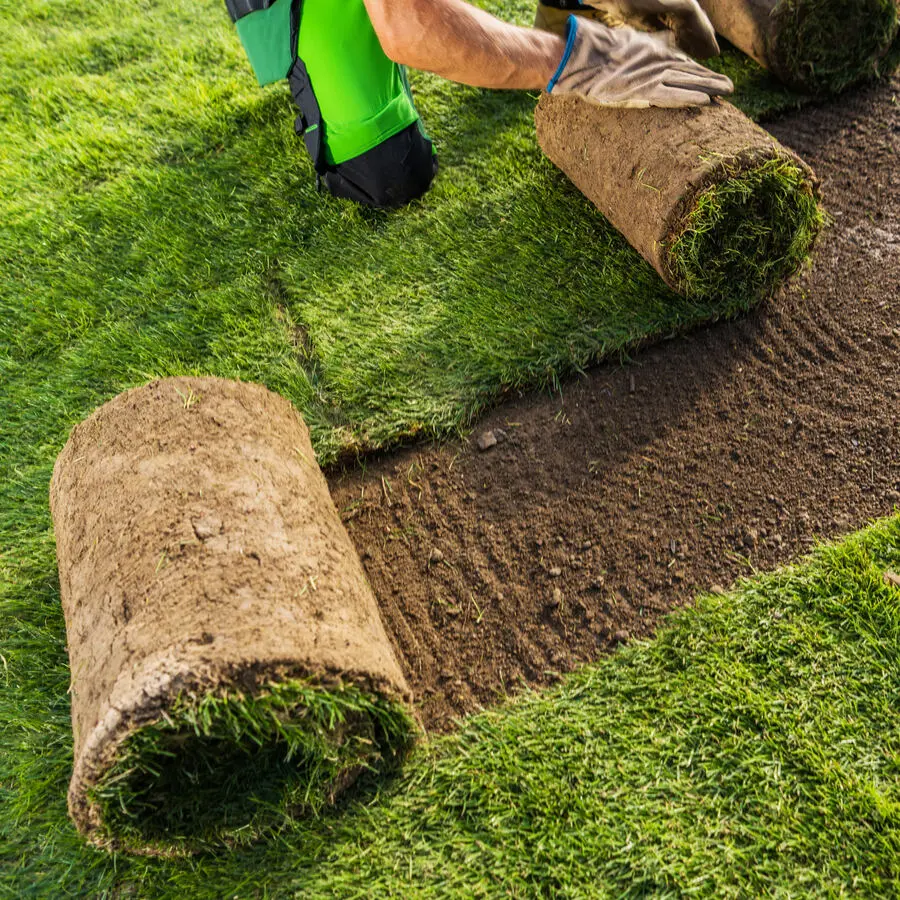
Sod Installation in Los Angeles: Cost Factors, Process, and What to Expect
A new sod lawn can change the way a Los Angeles home feels almost overnight. A dry or patchy yard becomes a place for kids to play, pets to stretch out, and family gatherings to spill outside. But a healthy lawn does not come from rolling green grass over tired soil and hoping for the best. In Southern California, the difference between sod that roots well and sod that struggles often comes down to preparation, irrigation coverage, sunlight, and the first few weeks of care.
ABC LandCrafters is a family-owned and managed landscaping and hardscaping company based in Sherman Oaks, serving Los Angeles, the San Fernando Valley, and nearby communities. With more than 15 years of industry experience, our team installs sod as part of complete outdoor upgrades that may also include planting, irrigation, walkways, decomposed granite, gravel, artificial turf, patios, pool decks, and driveways.
If you are comparing options for sod installation in Los Angeles, this guide explains what affects the cost, what the installation process should include, and how to set realistic expectations for maintenance in our local climate.
What affects the cost of sod installation in Los Angeles?
Homeowners often want a simple square-foot price, but sod installation is not one-size-fits-all. Two lawns with the same square footage can require very different amounts of work depending on the condition of the yard, sprinkler layout, access, grading, and how the space will be used. Instead of relying on a generic estimate, it is better to understand the main factors that shape the project.
Existing lawn removal and cleanup
If the yard already has dead grass, weeds, roots, compacted soil, or old landscape fabric, those materials need to be removed before new sod goes down. Installing sod over a weak base can trap air pockets, block rooting, and create uneven areas. In Los Angeles yards, we often see lawns that have been stressed by heat, inconsistent watering, and years of patch repairs. Proper removal gives the new lawn a clean start.
Soil condition and preparation
Soil preparation is one of the biggest differences between a quick cosmetic job and a long-lasting sod installation. The soil may need loosening, leveling, amendments, or fresh topsoil depending on its condition. Clay-heavy or compacted soil can prevent roots from taking hold and can lead to runoff instead of deep watering. Sandy or depleted soil may need help holding moisture and nutrients. A good installer looks below the surface before installing the sod.
Grading, drainage, and low spots
A lawn should not send water toward the house, pool, garage, or patio. Before sod is installed, the area may need grading so water moves in the right direction. Low spots should be corrected to reduce puddling, mud, and uneven growth. This is especially important when the lawn connects to pool decks, patio areas, walkways, or driveways, where drainage and finished elevations need to be coordinated.
Irrigation coverage
New sod needs consistent moisture while it roots. If the sprinkler system has weak zones, blocked heads, overspray, low pressure, or poor head spacing, the lawn can dry out in patches. In Los Angeles heat, those dry areas can show up quickly. Many sod projects include adjustments or upgrades to the irrigation system so the new lawn receives even coverage without wasting water on sidewalks, fences, or hardscape.
Sod variety, sunlight, and use
The best sod for a front yard with full sun may not be the best choice for a shaded side yard or a backyard used heavily by kids and pets. Sun exposure, foot traffic, dog use, and maintenance expectations all matter. Some homeowners want the natural feel and cooling effect of real grass. Others may decide that a lower-water surface makes more sense and compare sod with artificial turf. ABC LandCrafters can help weigh those options based on how the yard is actually used.
Access and installation logistics
A wide, open front yard is easier to work in than a backyard reached by stairs, narrow gates, or long side yards. Access affects labor, material movement, hauling, and cleanup. It is not just about installing the sod; it is also about getting soil, tools, rolls, and debris in and out without damaging existing hardscape, planting, or structures.
Our sod installation process
A quality sod installation follows a clear sequence. The exact steps vary by property, but the goal is always the same: prepare the base, confirm water coverage, install the sod tightly, and guide the homeowner through the establishment period.
Site visit and project planning
We begin by looking at the lawn area, existing soil, irrigation, sunlight, slope, drainage, access, and adjacent features. This is also when we talk through how the lawn will be used. A backyard for children and pets may need different planning than a formal front lawn. If the project includes planting, gravel borders, decomposed granite paths, or patio work, we coordinate the sod with the larger landscape layout.
Removal of old grass, weeds, and debris
Old lawn material is removed so the new sod is not competing with weeds or sitting on uneven organic debris. This stage can also reveal issues such as buried roots, broken sprinkler lines, hardpan soil, or drainage problems that were hidden under the old surface.
Soil loosening, leveling, and amendment
The soil is prepared so roots can grow into it. Depending on the yard, that may include loosening compacted areas, adding soil amendments, correcting grade, and smoothing the surface. The finished grade matters because sod has thickness. If the base is left too high, the lawn may sit above walkways or patio edges. If it is too low, it can create trip points or collect water.
Irrigation check and adjustments
Before the sod goes down, irrigation should be tested. Sprinkler heads need to cover the lawn evenly, and the system should be adjusted so water reaches corners and edges. Edges along walls, fences, and hardscape often dry out first because they receive reflected heat. In the San Fernando Valley, where summer temperatures can be intense, this step is critical.
Sod installation and tight seams
The sod is installed in a staggered pattern with tight seams. Pieces are fitted around curves, sprinkler heads, planting beds, and hardscape. The installer should avoid leaving gaps that can dry out or create visible lines. Once installed, the sod is typically pressed or rolled to improve soil contact and reduce air pockets.
Watering, cleanup, and homeowner instructions
The first watering begins right away. The goal is to keep the sod and soil underneath consistently moist during the rooting period without creating runoff or soggy areas. We also clean the site and review care instructions so the homeowner knows when to water, when to stay off the lawn, and when mowing can begin.
Los Angeles conditions that matter for new sod
Los Angeles lawns face a unique mix of heat, sun exposure, water-use awareness, hillside or sloped lots, mature trees, and outdoor living spaces. A lawn that performs well in another climate may need different care here.
Heat and reflected sunlight
Hardscape, stucco walls, fences, and pool decks can reflect heat onto the lawn. These hot edges may need extra attention during establishment. A sprinkler layout that seems fine in mild weather may not be enough during a late-summer heat wave.
Shade from trees and buildings
Shade can be helpful in hot weather, but too much shade limits growth. Side yards, north-facing areas, and lawns under dense tree canopies may thin out over time. During planning, it is important to match the sod choice and expectations to the actual sunlight the yard receives.
Family and pet use
Dogs, kids, play equipment, and frequent gatherings all affect how a lawn wears. Pet urine, digging, and repeated traffic paths can stress real grass. If the yard is used heavily, irrigation, maintenance, and lawn layout become even more important. Some families choose a hybrid approach, using real sod in one area and turf, gravel, or pavers in another.
Watering rules and responsible irrigation
Homeowners should always follow current local watering guidelines. A well-designed irrigation system helps make the most of allowed watering times by reducing overspray and improving coverage. Smart controllers, properly adjusted heads, and routine checks can help a sod lawn stay healthier with less waste.
Sod vs. artificial turf: which is right for your yard?
Real sod and artificial turf both have a place in Los Angeles landscaping. Sod offers a natural look, a cooler surface, and the feel of living grass. It does require watering, mowing, fertilizing, and seasonal care. Artificial turf can reduce mowing and watering needs, but it has its own considerations, including surface temperature, infill, drainage, and cleaning for pets.
Some homeowners find ABC LandCrafters while searching for ABC turf or LandCrafters because they are comparing both lawn options. Our team can discuss the practical tradeoffs without pushing every yard toward the same solution. For examples of finished outdoor spaces, visit our project gallery and look at how lawn, planting, pavers, gravel, and patio areas work together.
How long does new sod take to establish?
New sod begins looking finished as soon as it is installed, but it still needs time to root. The early weeks are the most important. During this period, the lawn should stay consistently moist and foot traffic should be limited. As roots take hold, watering can usually be adjusted gradually. Mowing should wait until the sod is rooted enough and the grass reaches the proper height for its variety.
Maintenance does not end after establishment. A healthy lawn needs regular mowing, seasonal feeding, irrigation checks, weed monitoring, and occasional repairs. Los Angeles weather can shift quickly from mild to hot, so homeowners should pay attention to the lawn during heat waves, wind events, and dry periods.
What to ask before hiring a sod installer
If you are searching for a sod installer near me, look beyond the fastest availability. A good installer should ask questions, inspect the site, and explain the preparation work. The lowest bid may not include removal, grading, soil improvement, sprinkler adjustments, hauling, or clear care instructions. Those details can make the difference between a lawn that roots well and one that needs repairs soon after installation.
Helpful questions include:
- Will the existing grass, weeds, and debris be fully removed?
- How will the soil be prepared before installation?
- Will irrigation coverage be tested and adjusted?
- How will drainage and grade be handled near patios, walkways, or the house?
- What care instructions will I receive after installation?
- Can I see examples of completed work?
Why homeowners choose ABC LandCrafters
ABC LandCrafters is not a temporary crew or a generic lead service. We are a real family-owned company with an office in Sherman Oaks and a sister company, Abraham Building & Consulting. Our experience in both landscaping and hardscaping helps when sod needs to connect cleanly with patios, pool decks, walkways, driveways, planting beds, gravel areas, and irrigation systems.
We serve homeowners throughout Los Angeles, Sherman Oaks, the San Fernando Valley, and nearby communities. Whether you want a fresh lawn for a front yard, a family-friendly backyard, or a larger outdoor upgrade, we can help plan the project from the ground up.
Ready to plan your sod installation?
If your lawn is patchy, uneven, or past the point of repair, a properly installed sod lawn can give your property a clean new start. The best next step is an on-site conversation about your yard, water coverage, sunlight, soil, and how your family uses the space.
Request a ConsultationFrequently Asked Questions
How much does sod installation cost in Los Angeles?
The cost depends on lawn size, existing grass removal, soil preparation, grading, irrigation adjustments, access, sod type, and cleanup. A proper estimate should be based on a site visit rather than a generic square-foot number.
What should be done before new sod is installed?
Old grass, weeds, roots, and debris should be removed. The soil should be loosened, leveled, and amended as needed, and the irrigation system should be tested for even coverage before the sod is installed.
How often should new sod be watered in Los Angeles?
New sod needs consistent moisture while it roots, especially during warm or windy weather. The exact schedule depends on the season, sun exposure, soil, and local watering rules. After establishment, watering can usually be adjusted gradually.
Can ABC LandCrafters install sod for homes with pets?
Yes. ABC LandCrafters can plan sod installation for family and pet use, including discussion of grass type, irrigation, traffic patterns, and whether a mix of sod, turf, gravel, or hardscape would work better for the yard.
Does ABC LandCrafters serve Sherman Oaks and the San Fernando Valley?
Yes. ABC LandCrafters is based in Sherman Oaks and serves Los Angeles, the San Fernando Valley, and nearby communities.
Contact ABC LandCrafters at 818-699-1516, email ron@abclandcrafters.com, or request a visit through our contact page.